Explore The Diverse Flora In Jim Corbett National Park

Being located amidst the rich wilderness of Jim Corbett National Park and being in close proximity to different safari zones, Anantum Gateway Resorts & Spa offers guests a chance to explore the incredible biodiversity of this region. The lush green forests, widely spread grasslands, towering trees, and thriving herbs and shrubs make Jim Corbett one of India’s most fascinating ecological zones. The Corbett National Park has over 110 species of trees and more than 600 species of plants which includes Chir Pine Forest, Sal Forest, Sisso, Khair, Date Palm, Jamun, Banj Oak, Dhak, Silver Oak, Eucalyptus, Semal, Kachnar, Amaltas, Mahua, and many more.

The towering sal and chir pine trees to delicate wildflowers, every corner of Jim Corbett tells a different story of nature. Staying at our resort allows guests to experience this heavenly paradise of nature in its true form.These diverse range of flora not only enrich the air with freshness but also provide nesting and feeding grounds for wildlife. Visitors can explore them while exploring different safari zones of Jim Corbett National Park


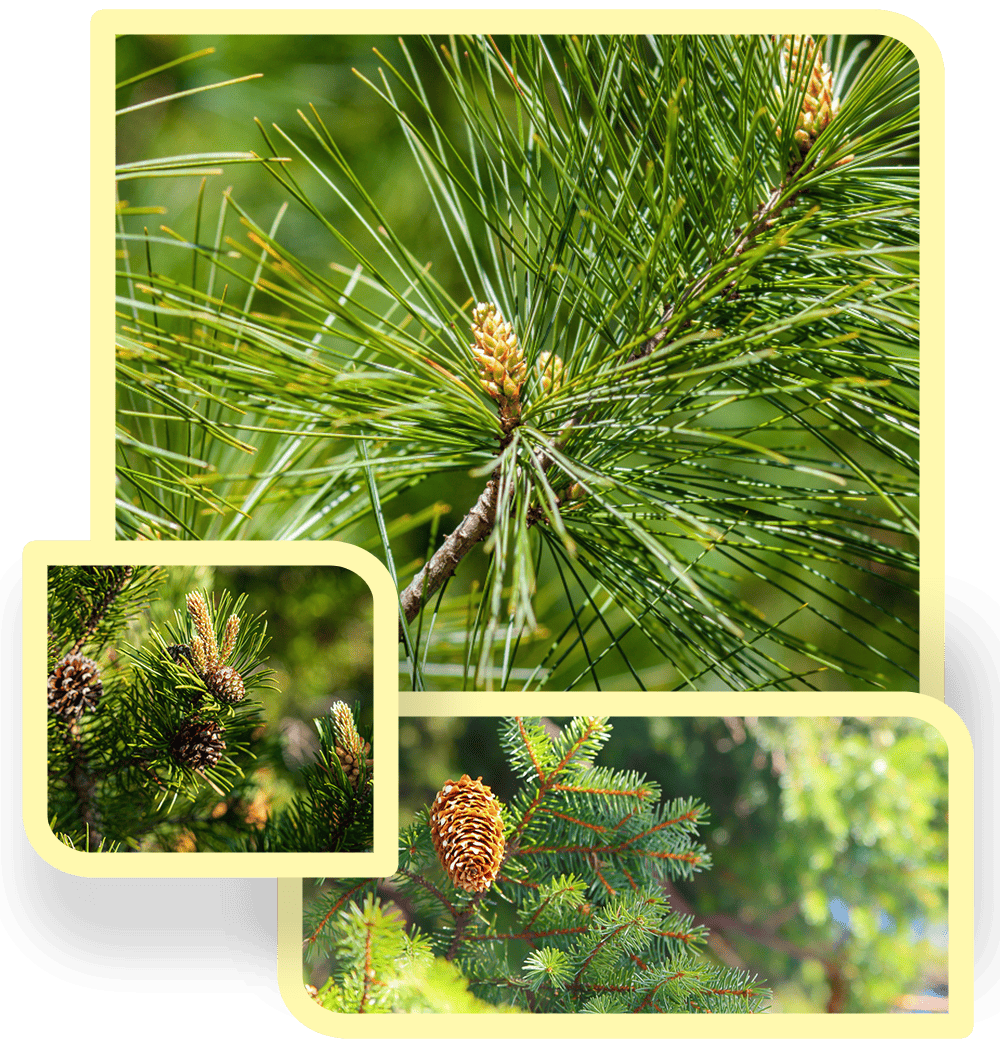
Chir Pine Forest

The Chir Pine Forests around our resort offer a refreshing fragrance in the surrounding while forming breathtaking green canopies. These tall pines are locally known as PinusRoxburghii and they mainly bloom along the hilly ranges of the Jim Corbett National Park. One can easily spot these majestic trees during scenic drives to our resort or when planning to go for a nature walk around our resort in Corbett.

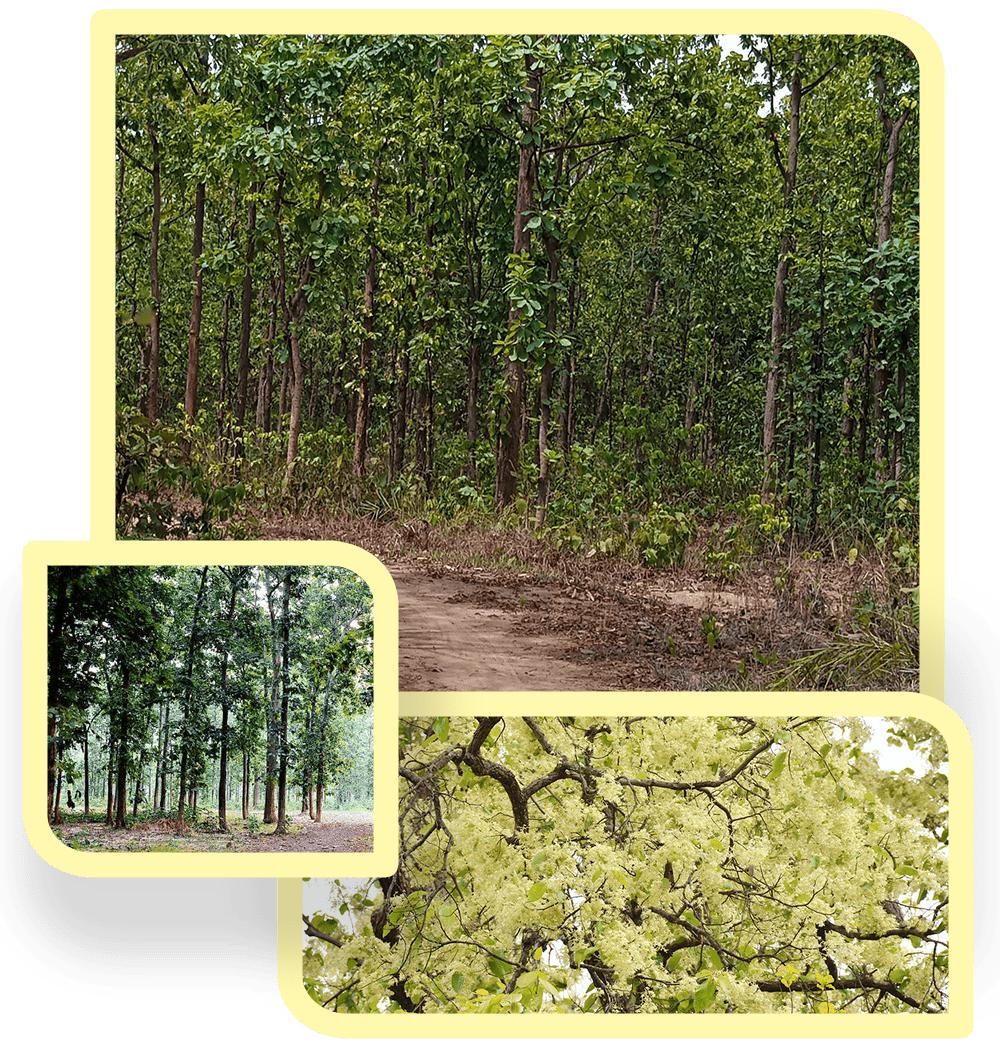
Sal Forest

Known as one of the most dominant species when speaking about the flora in the Jim Corbett region. Sal Forest also known as the Shorea Robusta trees grow thick and tall. They are helpful in providing cool shade and a natural home to countless birds and animals. One can witness these trees on their way during a short walk from the Anantum Gateway Resorts & Spa. They are known to form the dense green forests offering a perfect green setting where sunlight filters beautifully through the leaves giving a great opportunity to photographers for capturing greenery.

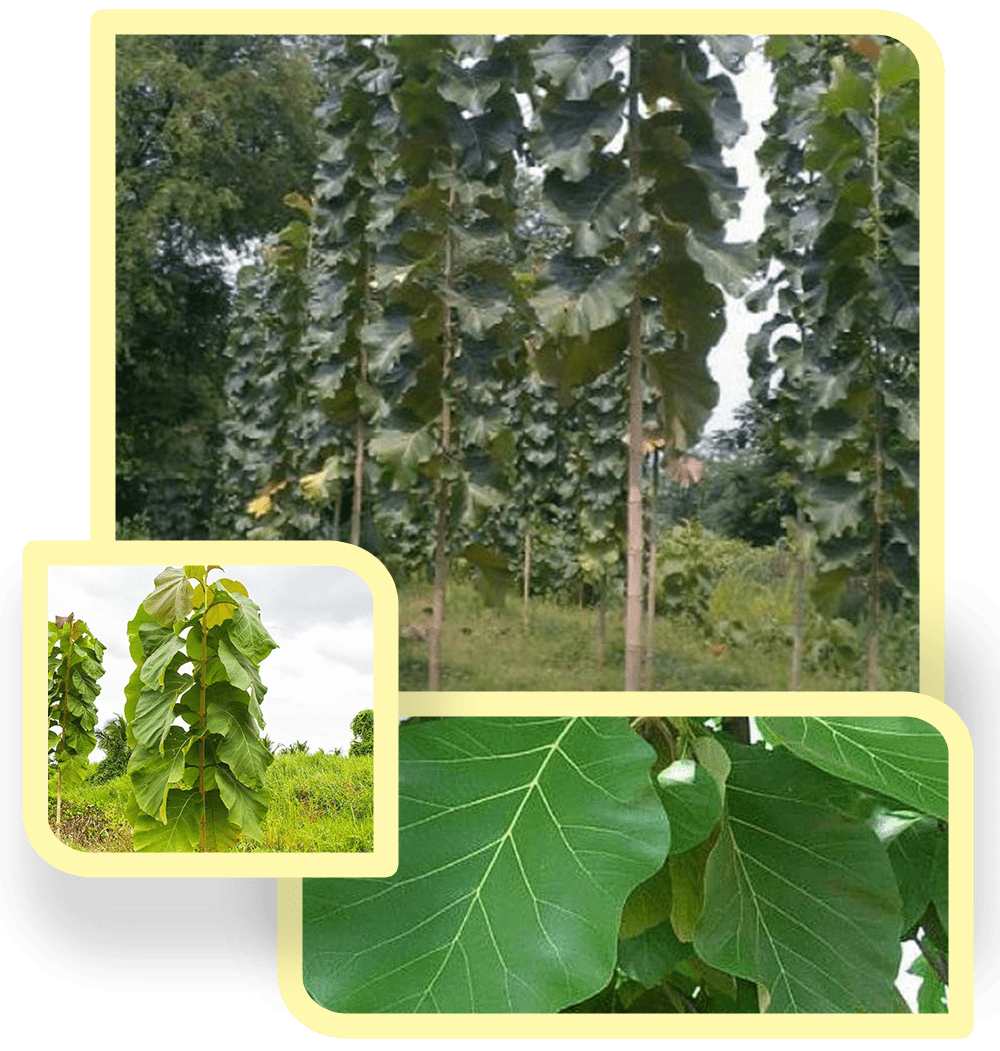
Sagwan Tree

Also, known as Teak Tree, it is considered as one of the most valuable hardwood species found in the Jim Corbett region. These deciduous trees are admired for their tall length which goes up to 30 to 40 meters making them visible from a distance. Their broad leaves and golden brown straight trunk along with wild canopies create a serene natural setting making them an important part of Jim Corbett’s mixed forests. Wood of this tree is highly used in several wood working and furniture applications.

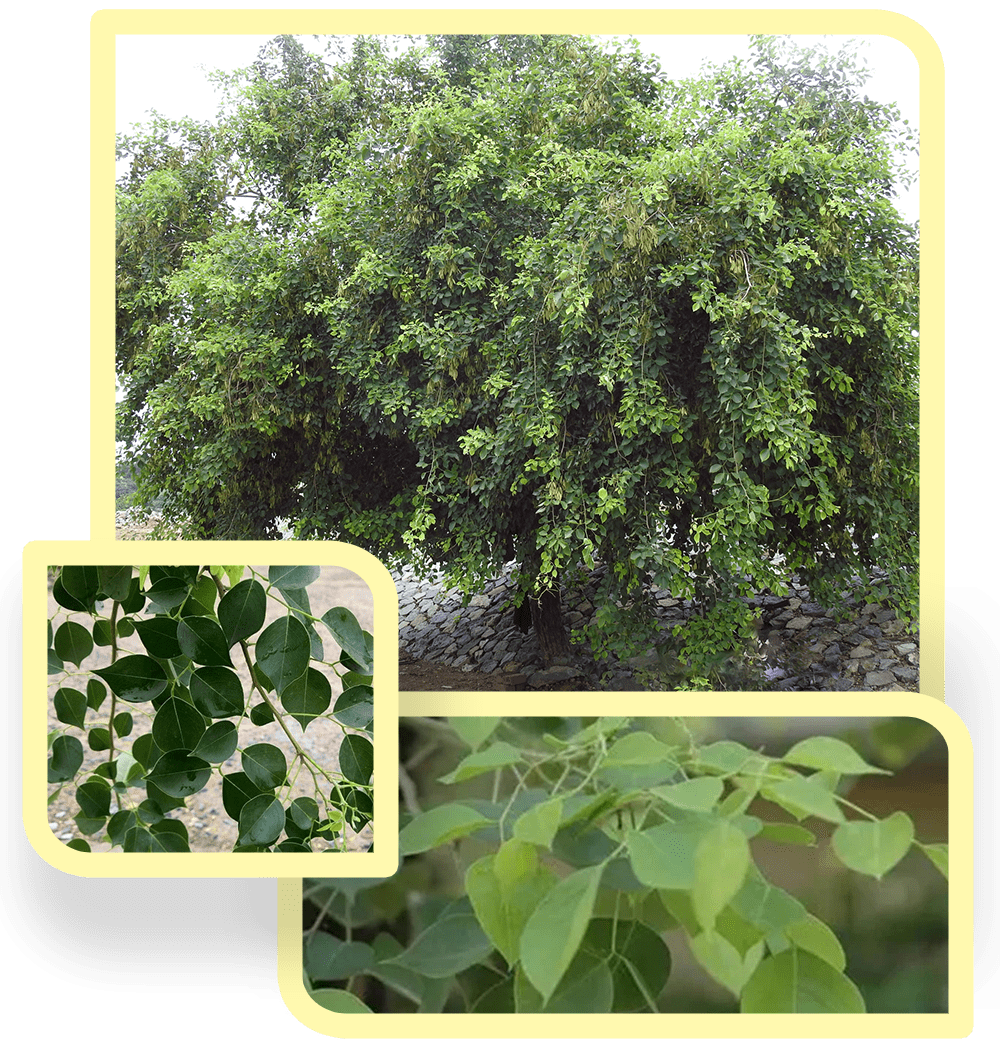
Sissoo Tree

Being one of the native trees of Jim Corbett region, Sissoo Tree is commonly found in this area. It is also known as Indian Rosewood and is mainly found in the open forest area or near riverbanks. The glossy green leaves of this tree along with it sturdy trunk has made it a highly popular choice. Guests can easily spot Sissoo trees while taking a stroll or drive near Anantum Gateway Resorts & Spa due to them being widely found across the forest line. They are known to provide cool shade and add a refreshing green touch to the surroundings.

Shrubs

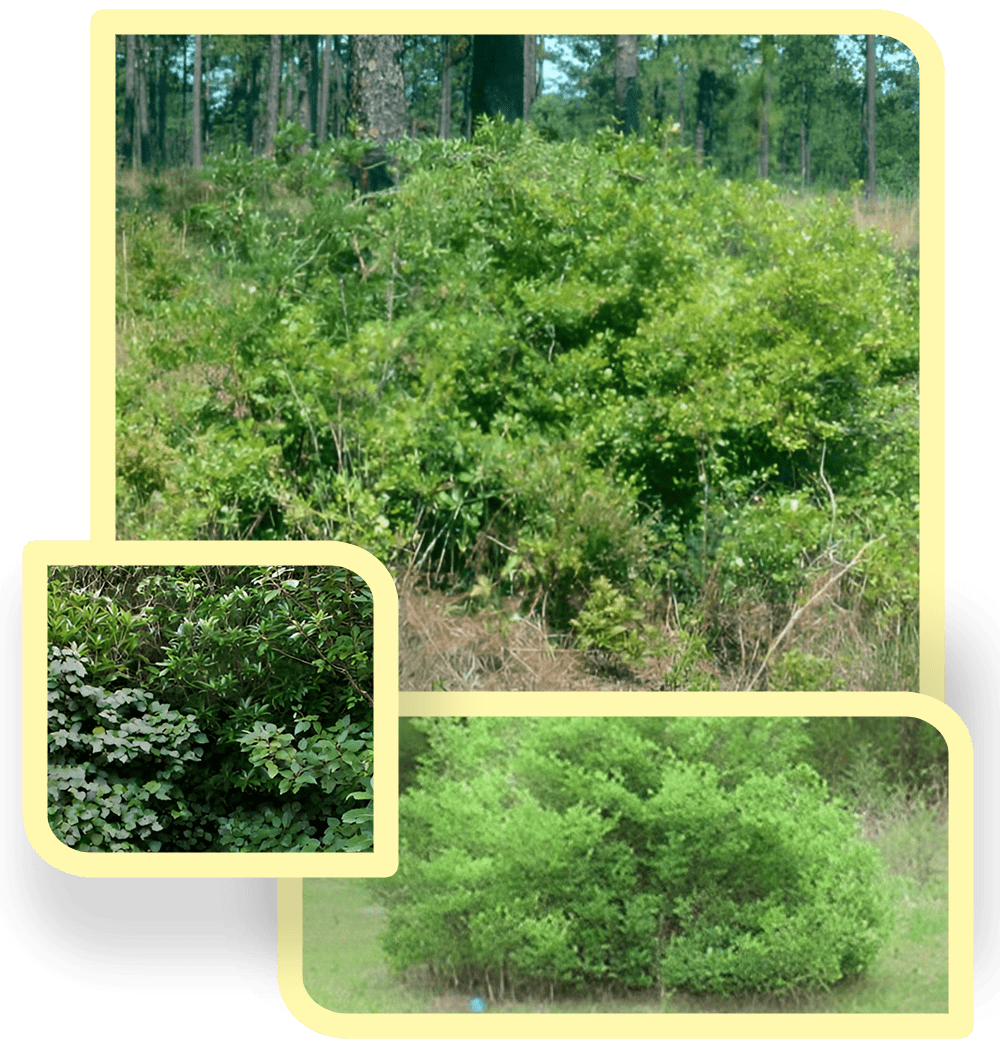
The bushes of Corbett’s forests are filled with several shrubs that grow in both sunlight and shade. The guests residing at Anantum Gateway Resorts & Spa, can easily find shrubs like Ber, Karaunda, Karanj, Hisar, Jhau, MarorPhali, Castor bushes, Coral Berry, and several other species adding vibrant hues to the natural surroundings. These shrubs provide essential food sources for deer, birds, and butterflies, adding life and color to every forest trail in Jim Corbett region.

Herbs

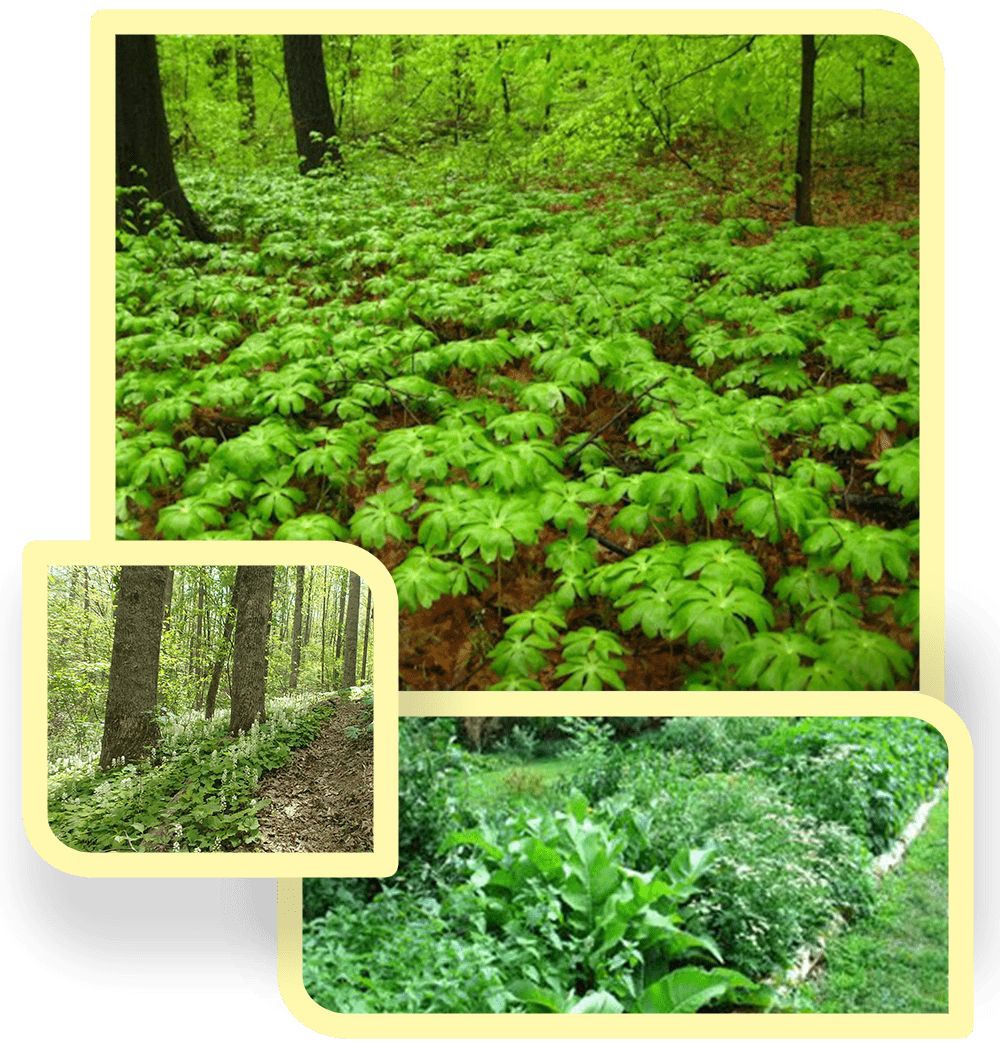
Other than trees and shrubs, Jim Corbett region is also known for its rich variety of herbs. Most of them are growing naturally across the Corbett belt and are known for their aromatic and medicinal properties. They are used in several traditional Kumaoni healing practices and homemade herbal medicines. Some of the most common herbs found here include Amla, Rohini, Bhilmora, Clover, Euphorbia hirta, and Solanum. You can also find other naturally growing herbs such as Tulsi (Holy Basil), Brahmi, Aloe Vera, Lemongrass, Ashwagandha, and Mint, which grow in the moist soil and shaded areas of Jim Corbett region.

Grasses

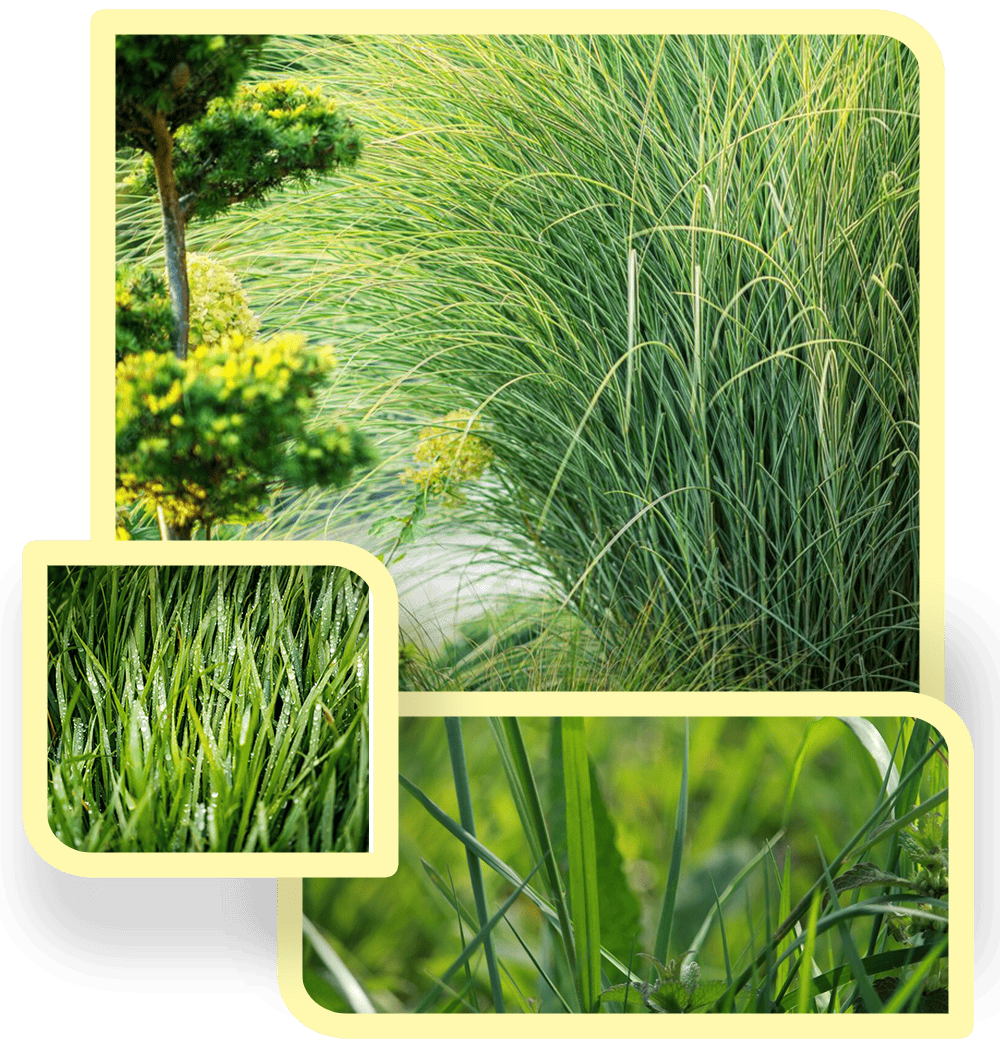
Jim Corbett region is also known for its extensive grasslands, known locally as chaurs. These are essential for the herbivores residing in the Jim Corbett forest. The Jim Corbett National Park has more than 70 species of grasses in the park. Some of the most common grasses include Kansi, Tiger Grass, KhusKhus, Baib, Narkul, Spear Grass, Themeda Arundinacea, Thysanolena Maxima, Vetiveria Zizanioides, and a few more. These grasses form the lifeline of Corbett’s wildlife, as they are helpful in feeding deer, elephants, and other animals, while keeping the landscape green throughout the year.

Get in Touch